In today’s rapidly evolving digital environment, businesses face increasing pressure to stay agile, efficient, and responsive to customer needs. Amidst all these transformations, the concept of postedrequirementstypecompany has emerged as a key differentiator for businesses looking to gain a strategic edge.
But what exactly is a postedrequirementstypecompany? What makes it different from traditional requirement posting platforms or outsourcing firms? Let’s dive deep into the structure, operation, and innovation behind this powerful concept, and how it is shaping the future of requirement-driven service industries.
The Essence of a Postedrequirementstypecompany
At its core, a postedrequirementstypecompany is a business model that centers around aggregating, processing, and executing client or internal project requirements using a posted or listed system of classification. Unlike general service providers or freelance platforms, this model uses structured requirement templates, types, and categories to deliver highly customized results.
Instead of the chaotic back-and-forth typically involved in requirement gathering, these companies simplify the process through intelligent categorization and responsive pipelines. They serve as the bridge between raw business needs and actionable, deliverable outcomes.
Origins and Evolution of the Model
The idea of a postedrequirementstypecompany didn’t arise overnight. It evolved over time through the convergence of several industry trends:
- Increased demand for customized business solutions
- The inefficiencies of traditional requirement documentation
- Growth in automation, AI, and digital project management tools
Initially, companies relied on extensive meetings, spreadsheets, and emails to convey their project needs. This not only consumed time but often led to scope creep, miscommunication, and lost productivity. The postedrequirementstypecompany model changed the game by introducing structured input formats and type-based classifications that minimize ambiguity and boost project clarity.
How It Differs from Outsourcing and Freelance Models
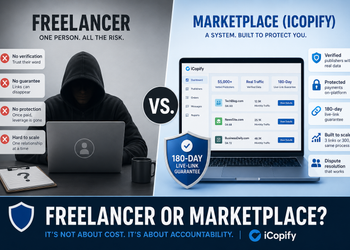
While on the surface, it might resemble outsourcing platforms, a postedrequirementstypecompany takes a fundamentally different approach:
| Aspect | Postedrequirementstypecompany | Freelancing/Outsourcing |
|---|---|---|
| Input Structure | Typed & categorized requirements | Freeform or open-ended briefs |
| Automation | Often uses AI & tools for matching | Largely manual selection process |
| Scalability | High – built for volume handling | Limited by freelancer availability |
| Quality Assurance | Built-in review mechanisms | Dependent on individual performance |
| Turnaround Time | Pre-estimated & fixed by type | Variable |
By systematizing the input and aligning it with defined service types, postedrequirementstypecompanies drastically reduce time-to-delivery and increase satisfaction for both vendors and clients.
The Structural Framework Behind the System
A postedrequirementstypecompany is not just a service provider—it’s an ecosystem. Here’s a breakdown of how its internal framework typically operates:
Type-Based Categorization
Every requirement is posted with a “type” tag, such as:
- UI/UX Design
- Content Creation
- API Development
- Market Research
- Performance Optimization
This tagging allows the system to auto-assign specialists or teams familiar with that requirement type. It also aids in pricing, delivery time estimation, and skill matching.
Dynamic Workflow Automation
From the moment a requirement is posted, it enters a predefined workflow, which might include:
- Initial Auto-Analysis
- Human Review & Confirmation
- Assignment to Specialized Cell
- Staged Delivery Milestones
- Feedback Integration
Each phase is optimized with performance tracking tools and preloaded checklists customized for the requirement type.
Transparent Communication Layer
Rather than lengthy emails or documents, communication happens in a modular, comment-driven interface where feedback is linked directly to requirement segments. This ensures accountability, traceability, and efficiency.
Use Cases Across Industries
The appeal of postedrequirementstypecompany models is their flexibility and adaptability. Here’s how they’re being used across various sectors:
Technology Firms
Tech startups are increasingly using this model to handle recurring tasks such as bug fixing, feature deployment, or software patches. By posting clearly defined requirements under a specific type, they save time and reduce miscommunication.
Digital Marketing Agencies
Marketing teams post campaign assets, keyword research, or SEO audits as pre-set requirement types. The system ensures quick delivery from vetted teams and minimizes project bottlenecks.
Manufacturing Units
From procurement analytics to production planning, these companies use typed requirement systems to manage data processing, vendor selection, and process optimization.
E-commerce Platforms
E-commerce brands often need product descriptions, image editing, inventory mapping, or algorithm tweaking. All of these can be categorized and posted via requirement types.

Competitive Advantages for Businesses
Why are so many businesses transitioning toward the postedrequirementstypecompany approach?
Predictable Deliverables
By defining scope through requirement types, businesses enjoy clarity on what they’ll receive, reducing uncertainty.
Faster Turnaround
Because teams are pre-aligned to handle specific types, the execution begins faster and follows proven playbooks.
Lower Operational Costs
Automated workflows, reduced human error, and optimized task delegation mean better outcomes at lower costs.
Scalability Without Chaos
As businesses grow, so does the number of posted requirements. This model supports scale by design, making it a perfect match for agile teams.
Real-World Implementation Case Study
Company: TechVision Labs
Challenge: Scaling product updates without expanding the internal team
Solution: Adopted a postedrequirementstypecompany model to manage micro-tasks like UI tweaks, documentation updates, and QA sessions.
Outcome:
- Reduced internal workload by 40%
- Improved project delivery time by 35%
- Increased client satisfaction scores due to faster update cycles
This case highlights how small, structured changes can lead to big business benefits.
Limitations and Challenges
While the model is powerful, it’s not without its limitations:
- Requires Clear Requirement Input: Clients must be trained or guided to post correctly.
- Not Ideal for Abstract or Conceptual Tasks: Highly creative or ambiguous tasks still require bespoke approaches.
- Platform Dependency: Companies may become dependent on specific platforms or ecosystems unless they internalize the process.
Future Potential of Postedrequirementstypecompany Models
The future of postedrequirementstypecompany systems lies in AI integration, intelligent routing, and proactive suggestion engines. As more companies embrace machine learning, these models could evolve to:
- Predict Business Needs: Using data to suggest future requirements before clients realize them
- Auto-Fill Requirement Templates: Based on past behavior and industry benchmarks
- Real-Time Collaboration with AI Agents: Blending human expertise with autonomous assistants
This will elevate the model from reactive service fulfillment to proactive business enablement.
Integration With Modern Tool Stacks
For companies to maximize the benefit of the postedrequirementstypecompany framework, integration with existing tools is key. Examples include:
- Jira and Trello: Sync requirements directly into project management dashboards
- Slack and Microsoft Teams: Enable posting through simple commands or forms
- CRM Systems: Link customer needs directly with the requirement posting interface
Such integrations create a seamless flow between client needs and execution teams, making businesses more responsive and agile.
Final Thoughts
In an increasingly fast-paced, competitive environment, businesses need reliable systems that simplify processes and deliver results efficiently. The postedrequirementstypecompany model stands out as a transformative structure that bridges the gap between needs and outcomes with precision.
By blending categorization, automation, and human expertise, this model removes ambiguity and fosters a new era of structured project execution. Whether you’re a startup founder, agency head, or corporate manager, exploring this approach could unlock new dimensions of productivity, profitability, and peace of mind.