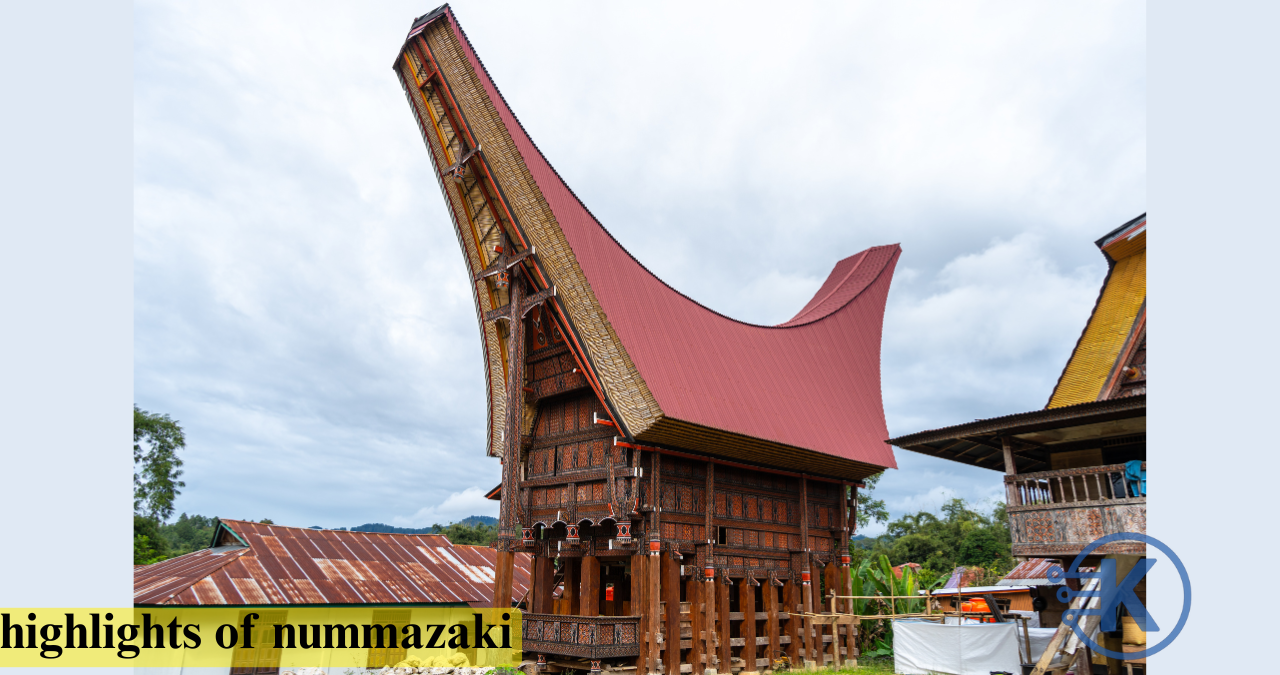
Tucked quietly along Japan’s lesser-trodden coastline lies Nummazaki, a place where time appears to pause, and the landscape paints a story far richer than any tourist brochure could capture. While many flock to Japan’s mainstream attractions, the true connoisseurs of culture, nature, and solitude know that the highlights of Nummazaki offer a distinct experience—one that is both grounding and rejuvenating.
Nummazaki isn’t just a destination; it’s a canvas of moments. Each wave that kisses its shores, each scent that wafts from a hidden ramen stall, and each conversation with a local reveals layers of a place not yet overwritten by tourism.
In this guide, we’ll journey beyond the typical. From windswept cliffs and mystical folklore to coastal cuisine and artistic secrets, these are the highlights of Nummazaki that make it a destination worth discovering.
Coastal Wonders That Transcend Imagination
The geography of Nummazaki is where its magic begins. Unlike more commercial coastal towns, Nummazaki’s shoreline is untouched by mass tourism. It stretches like a poetic brushstroke across the landscape, with jagged cliffs, natural rock formations, and quiet coves forming the main spectacle.
One of the most remarkable features is the Veiled Lantern Cliff, a naturally eroded outcrop that catches the morning light in such a way that it appears to glow. Local legend claims the cliff was once a lighthouse operated by spirit guardians who protected fishermen from tempests.
Another breathtaking locale is the Shinmei Inlet, a narrow bay framed by sea-carved caves and overgrown mossy walls. Accessible only during low tide, this secret place often becomes the stage for impromptu musical gatherings—locals playing shakuhachi flutes while the waves hum in rhythm.
These coastal gems aren’t merely visual. They engage the senses holistically: the salt-heavy breeze, the sound of gulls, the feel of ancient stones beneath your feet. These aren’t just places to visit—they’re places to feel.
Time-Honored Rituals and Cultural Echoes
Nummazaki isn’t preserved in amber; it lives through the rituals and practices of its people. The town holds a number of annual events and lesser-known traditions that are integral to its cultural landscape.
Most iconic is the Midnight Lantern Release, a quiet ceremony held on the third new moon of the year. Unlike the typical fanfare of festivals, this is a reflective affair. Locals craft small lantern boats from rice paper and bamboo, each carrying wishes and memorials for ancestors. As hundreds of glowing lights drift out to sea, the coastline becomes a silent galaxy of floating hope.
Another unique tradition is “Tide Listening,” a practice once used by fishermen to predict changes in the sea by listening to the tone of crashing waves. While modern tools have replaced this technique for navigation, elders still gather by the shore to pass the knowledge on through storytelling.
If you’re lucky, you may witness a Yurei-no-Kagura, a spirit-dance performance staged within the Hoshigami Shrine. The dances are said to bridge the world of the living and the dead, preserving a connection with the spiritual realm deeply rooted in Nummazaki’s indigenous heritage.
A Taste of the Unfamiliar: Culinary Journeys
No journey through Nummazaki is complete without indulging in its deeply regional cuisine. While the town’s proximity to the sea ensures an abundance of fresh seafood, it’s the way the ingredients are used that distinguishes Nummazaki’s culinary signature.
Start with Shinkai Uni Don, a rare variant of the sea urchin rice bowl. Unlike the creamy textures found elsewhere, the uni here is aged in bamboo salt and wrapped in shiso leaves, adding a flavor both complex and ancient. Many local chefs claim the recipe traces back to shipwreck survivors who preserved seafood in wild herbs.
Another must-try dish is Iwagaki Tempura—wild rock oysters, caught near the cliffside at dawn and immediately flash-fried in tempura batter. Served with only a pinch of volcanic salt harvested from the nearby Tsumura Isle, the flavor is unmatched.
Street food in Nummazaki also deserves mention. Keep an eye out for “Fog Rolls”, steamed fish buns filled with minced mackerel, lotus root, and fermented yuzu peel, sold from pop-up stalls that appear only when the morning mist rolls in—hence the name.
Artistic Soul of the Coastal Town
Despite its low profile, Nummazaki holds a surprisingly rich and expressive artistic spirit. In fact, the town has quietly nurtured generations of master craftsmen and avant-garde artists who draw inspiration from the raw elements around them.
One of the focal points is the Nummazaki Stone Arts Collective, a gathering of sculptors who transform washed-up driftwood, volcanic rock, and whale bones into abstract installations. Their open-air gallery changes with the seasons, adapting to weather, tides, and even lunar cycles.
A peculiar yet fascinating institution is the Museum of Wind and Absence—not a typical gallery but an interactive space where wind patterns are “captured” using fine sand and dyed threads that hang from the ceiling. Visitors can walk through the installations and “hear” the wind of various seasons through motion-triggered whispers and ambient tones.
Even the town’s architecture tells stories. Many of the old fisherman huts now serve as micro-residencies for poets and minimalist designers, creating a silent fusion of old and new, nature and human expression.
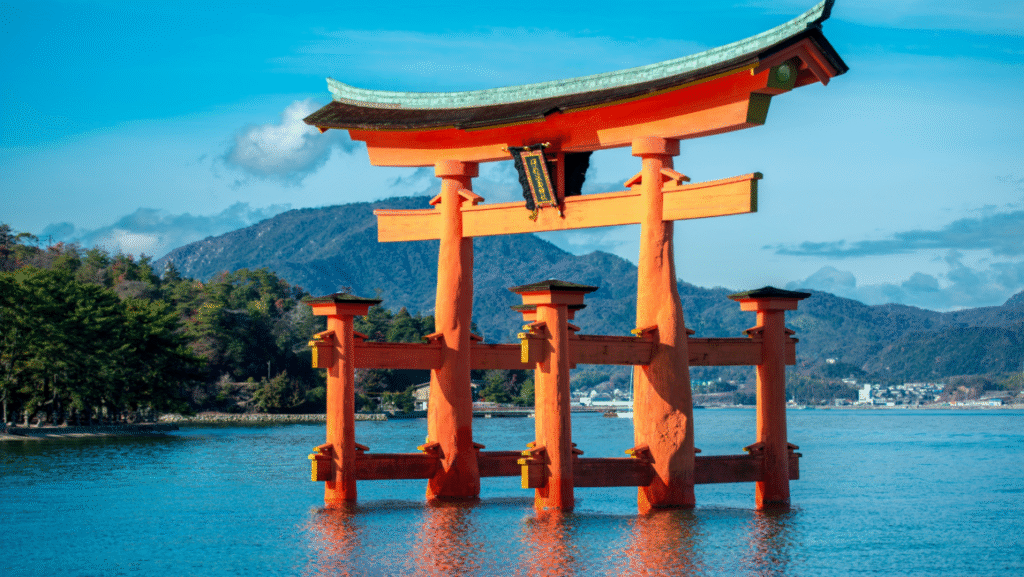
Where Nature Writes Its Own Poetry
Nature in Nummazaki is not just a backdrop; it’s the main character. The Hagane Winds, as locals call the seasonal air currents, shape everything from plant growth to mental well-being. These winds are known for their peculiar ability to shift direction within minutes, causing dramatic changes in weather and mood.
The Forest of Listening Pines is one such result of this phenomenon. Located inland, just beyond the town’s edge, the forest is known for trees that creak in haunting rhythms due to the coastal winds. Many believe the trees are whispering the stories of travelers who passed through.
Further up the trails, you’ll find the Fushiki Pools, a series of warm-water tide pools that glow faintly at night due to bioluminescent algae. Rare even in Japan, these pools are best visited during spring, when the contrast between day and night temperatures makes the phenomenon most intense.
If you’re a lover of the night sky, Cape Tsukikage is a must-visit. Here, light pollution is virtually nonexistent, and on clear nights, you can see the Milky Way stretching from cliff to sea. Many locals swear that dreams dreamt here are more vivid and often prophetic.
Beyond the Map: Unexpected Highlights of Nummazaki
Perhaps the most rewarding experiences in Nummazaki are the ones not listed in any guidebook. These hidden wonders, discovered by wandering or speaking with locals, form the deeper, more personal highlights of Nummazaki.
Take, for example, the Old Weather Room—an abandoned meteorology hut atop Mount Mirai, which now acts as a sanctuary for amateur star readers and haiku writers. Visitors leave notes about the skies, creating an evolving archive of personal astronomy.
Or the Kaze Library, an unmanned book hut that works on the honor system. Inside, you’ll find rare texts on coastal botany, forgotten travel logs, and poems written by fishermen during long voyages.
There’s also the intriguing ritual of Night Paint Walking, a local trend where people paint phosphorescent symbols on coastal stones by night and wait for the tides to erase them by dawn. It’s a meditative form of ephemeral art—there, then gone, like much of life in Nummazaki.
Planning Your Visit to Nummazaki
Nummazaki remains unspoiled partly because it resists convenience. Getting there often requires transfers through local trains and a final leg by community bus or hired boat. But for those willing to journey a little longer, the reward is solitude, silence, and authenticity.
Accommodations range from ancestral ryokan inns to minimalist eco-lodges, with many offering direct interaction with local craftspeople, farmers, or fishermen. Staying here isn’t about luxury; it’s about immersion.
While there is no centralized tourism office, the locals are welcoming and resourceful. Hand-painted wooden signs point to nearby trails, and many cafés double as information points for travelers looking to explore.
The Enduring Spirit of Nummazaki
What makes the highlights of Nummazaki truly unique is their resistance to definition. This town is not trying to be anything—it simply is. It whispers instead of shouting, invites instead of demands, and offers layers that only reveal themselves slowly, through stillness and curiosity.
Whether you’re chasing moonlit tide pools, sharing wind stories with strangers, or simply sitting in silence as the sea performs its ancient lullaby, Nummazaki asks nothing more of you than to be present.